
Elevate Your Senses with Our Premium Mobile Spa Services in Orlando and Central Florida
Indulge in a Luxury Massage Experience
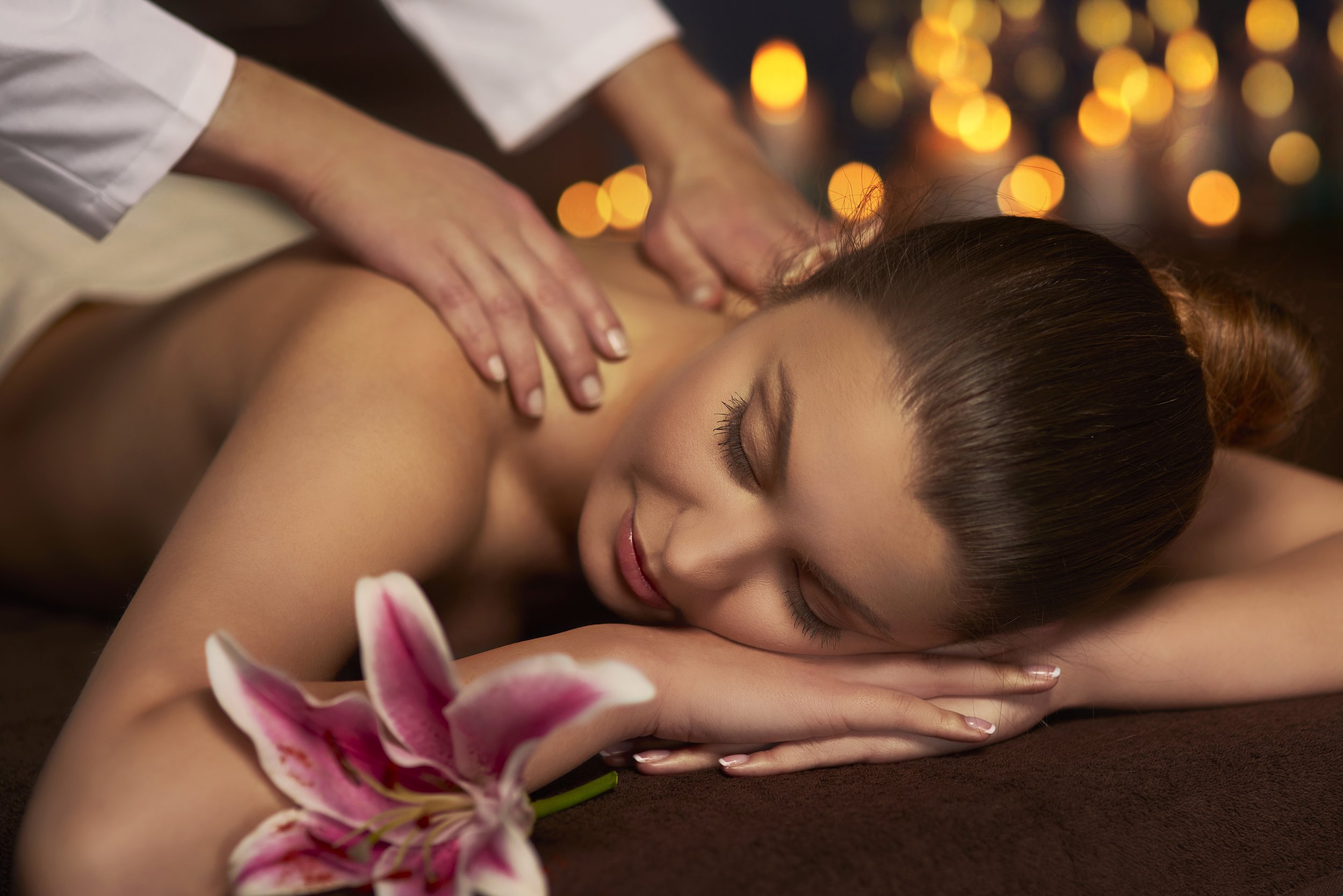
Discover a new realm of pure bliss and serenity! At Mobile Massage Therapy, we aim to provide you with a rejuvenating and personalized experience that promotes relaxation, wellness, and overall well-being.

Best Spa-Quality Treatments
in the Comfort of Your Space
Experience the pinnacle of convenience and luxury with our exceptional mobile spa treatment––delivered directly to your location in Orlando and central Florida!
At Mobile Massage Therapy in orlando, we understand the importance of creating a serene and comfortable environment. That’s why our team of expert professionals is specifically trained to bring an unparalleled spa experience into the convenience of your own space.
Step into a sanctuary of tranquility as we transform your home, hotel room, or office into a haven of relaxation––allowing you to escape the stress of daily life and immerse yourself in the exquisite luxury of our mobile spa services in orlando.


Tailored Massage Experiences for Every Need
From the utmost relaxation of soothing massages to the invigorating benefits of sports massages, Mobile Massage Therapy offers a comprehensive range of tailored massage services in Orlando Florida that can be enjoyed from the comfort of wherever you are.
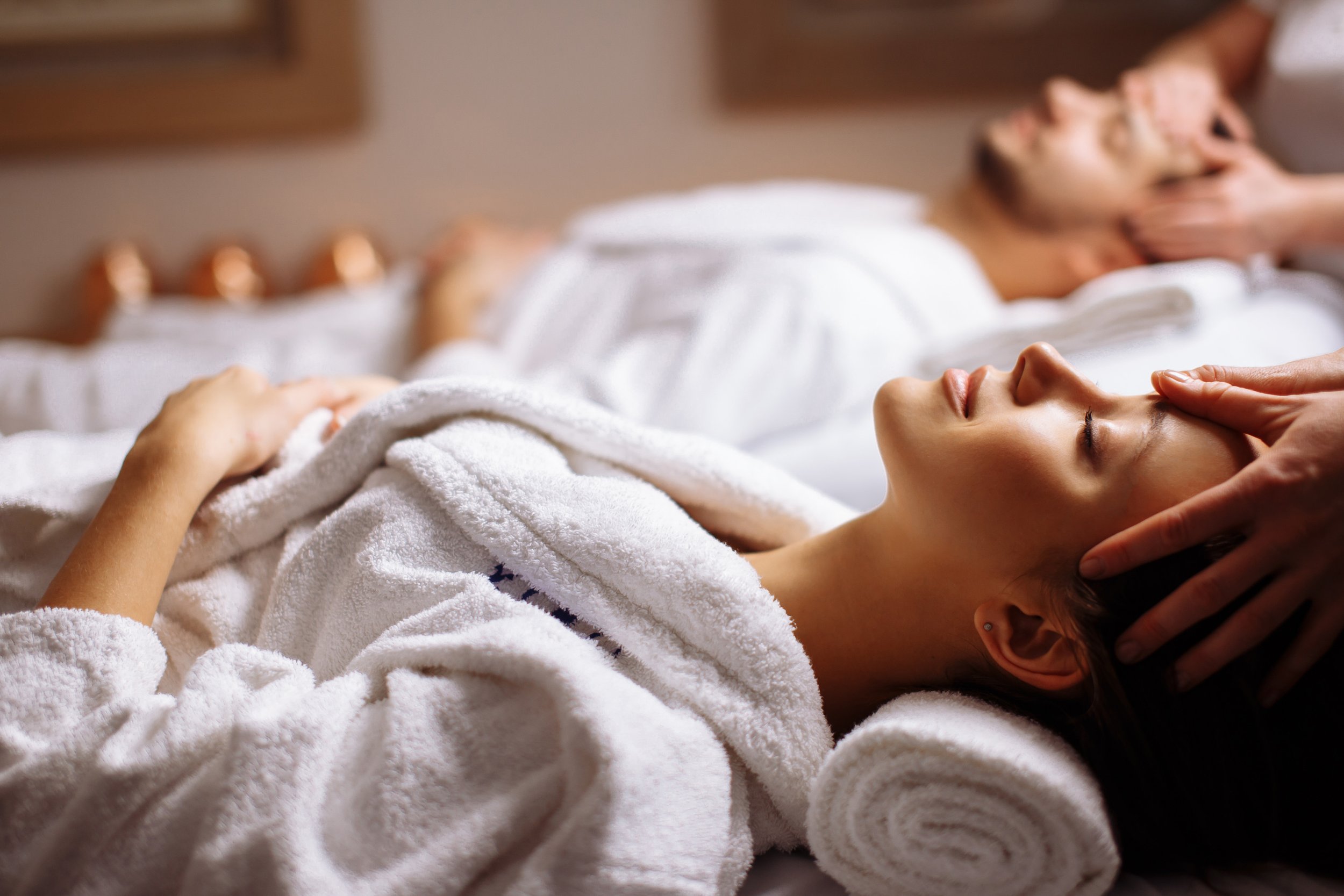
Our skilled therapists specialize in various techniques––including best Swedish massages for ultimate relaxation, deep tissue massages for targeted tension release, prenatal massages for expectant mothers' comfort, and couples massages for shared relaxation.
With their talented hands and intuitive approach, they’ll work with you to customize each session, catering to your specific needs and preferences.
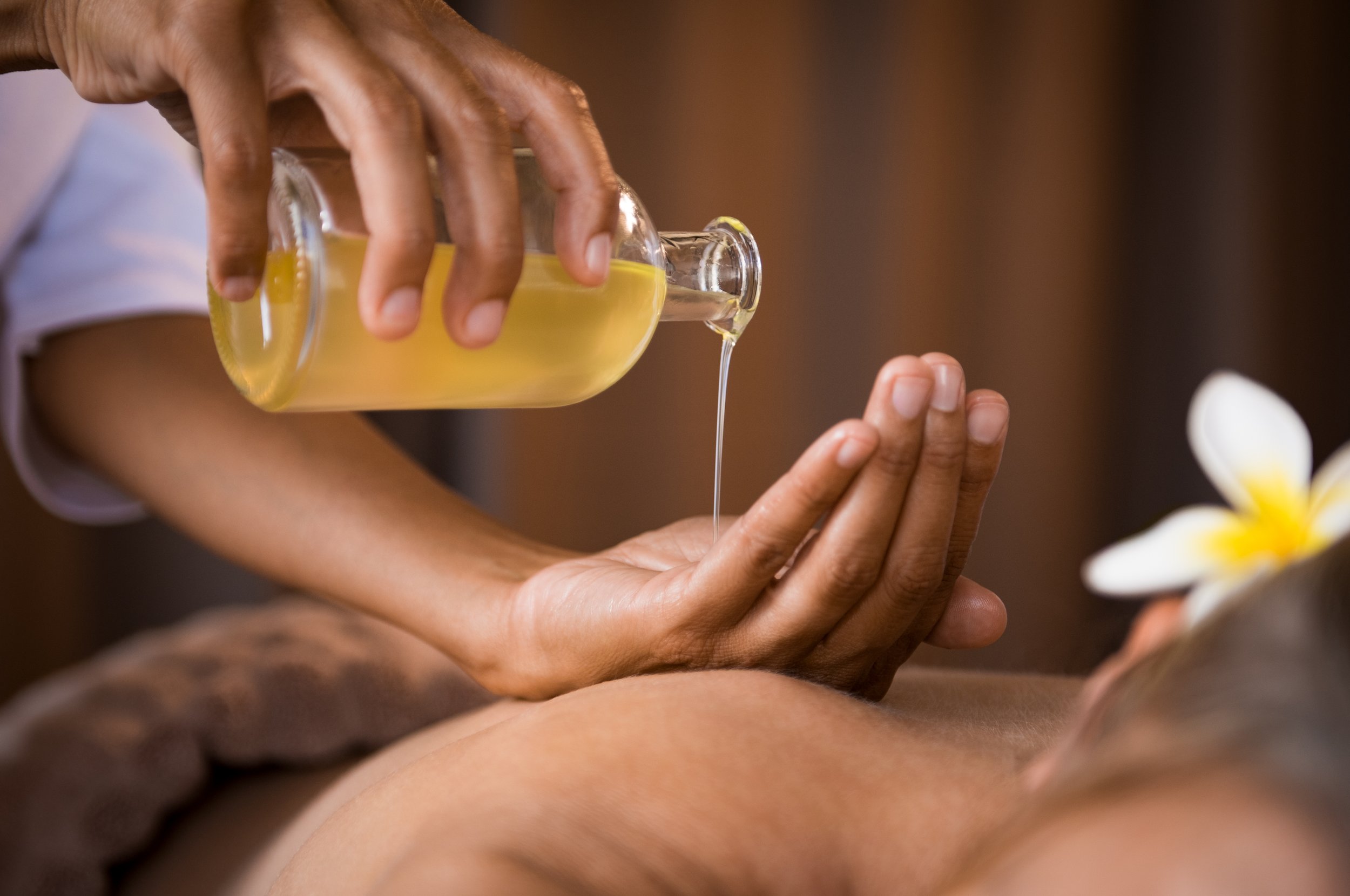
With all the necessary equipment––including a comfortable massage table, soothing oils, and calming music––we ensure a seamless and immersive experience that will transport you to a state of pure relaxation.
Kind Words
“MMT is wonderful! My husband and I have had them as our therapist for a while now. I've had a lot of massages over the last 10 or so years and MMT is one of the best in Florida”
- Alicia M.
Prices and Reservations
Our hours, pricing and sessions are designed to accommodate the needs of a working parent, a corporate team, and tourists on the move. Any inquiries? Send us an email at mobilemassagestherapy@gmail.com or text at +1 689 242 0924



Latest On
The Blog


The Benefits of Massage Therapy
Beyond relaxation, massage therapy offers a wealth of advantages for your body, mind, and overall health.
From alleviating muscle tension to reducing stress levels, improving circulation, enhancing flexibility, and promoting a sense of inner balance and harmony, massage therapy can offer a holistic and well-rounded approach to wellness and self-care.
Whether you seek relief from chronic pain, rejuvenation from daily stressors, or simply a moment of self-care, our tailored massage treatments can help you achieve your wellness goals––all because you deserve it.
Embrace the transformative power of our mobile spa services and embark on a journey of rejuvenation for your body, mind, and spirit.
Book a session with Mobile Massage Therapy Orlando today and embrace a life of vitality and balance!


WORK WITH US
Ready to
START YOUR JOURNEY?
Follow us on Instagram


